

Computer Eye Damage Protection Bangladesh: Blue Light & Digital Strain Guide

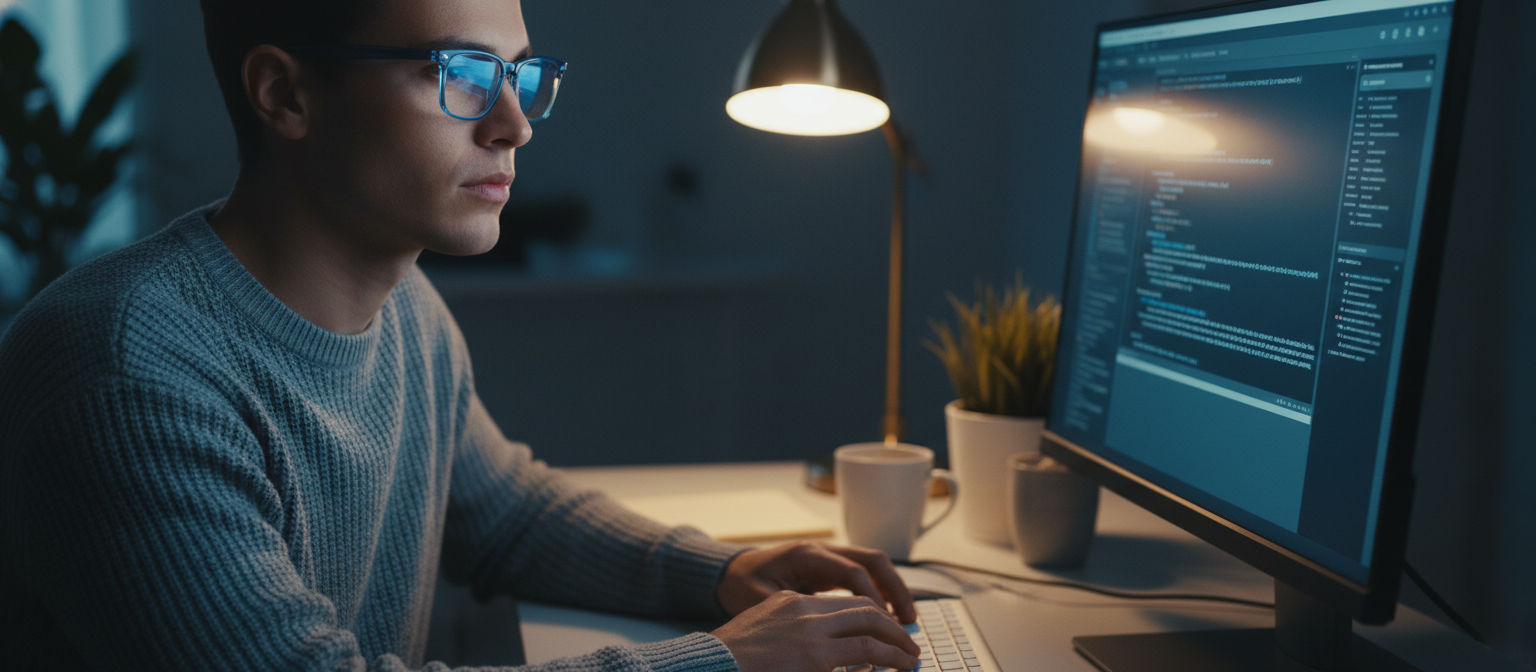
In today’s digital age, our lives revolve around screens. From working on computers at the office to scrolling through smartphones at home, we spend an average of 8 to 10 hours a day staring at digital devices. But a critical question remains: Is computer eye damage a real threat to our long-term vision? Let’s explore what science says and how you can protect your eyesight in a tech-driven world.
What is Digital Eye Strain or Computer Vision Syndrome (CVS)?
If you feel discomfort, dryness, or fatigue after long hours of screen use, you are likely experiencing Computer Vision Syndrome (CVS), also known as Digital Eye Strain.
Research shows that humans normally blink about 15–20 times per minute. However, when we focus on a screen, our blink rate drops significantly to about 5–7 times per minute. This lack of blinking causes the eyes’ natural moisture to evaporate, leading to irritation and contributing to computer eye damage over time.
Common symptoms of Digital Eye Strain include:
- Redness, itching, and burning sensations in the eyes.
- Blurred or double vision.
- Persistent headaches and neck or shoulder pain.
- Dry eyes (feeling like there is sand in your eyes).
The Impact of Blue Light and Sleep Disruptions
Digital screens emit a high-energy visible (HEV) light known as Blue Light. While the sun is the largest source of blue light, the proximity and duration of our screen use raise concerns. Blue light suppresses the production of Melatonin, the hormone responsible for regulating our sleep-wake cycle.
Using your phone late at night tricks your brain into thinking it’s still daytime, making it harder to fall asleep. Poor sleep quality doesn’t just affect your energy; it prevents your eyes from recovering, indirectly worsening the symptoms of computer eye damage.
Does Screen Time Cause Permanent Eye Damage?
According to current scientific consensus, typical screen use does not cause permanent retinal damage or blindness in adults. However, the story is different for children. Excessive screen time in children is linked to a higher risk of Myopia (nearsightedness), as their eyes are still developing and can become elongated due to prolonged near-focus activities.
5 Effective Ways to Protect Your Eyes from Screen Damage
You don’t have to give up your devices to stay healthy. Follow these practical tips to minimize the risks:
1. Follow the 20-20-20 Rule
This is the “gold standard” advice from ophthalmologists. Every 20 minutes, take a 20-second break and look at something 20 feet away. This simple habit allows your eye muscles to relax and reduces strain significantly.
2. Adjust Lighting and Distance
Keep your computer screen at least 20–28 inches (about an arm’s length) away from your eyes. Ensure the screen’s brightness matches the ambient light in your room. Avoid using mobile phones in pitch-dark environments, as the high contrast is extremely taxing on your vision.
3. Use Blue Cut or Anti-Blue Light Glasses
Anti-Blue Light Glasses are designed to filter out the harmful HEV blue light emitted by screens. These lenses can block 40% to 90% of blue light, helping to:
- Reduce digital eye strain and fatigue.
- Minimize screen-induced headaches.
- Improve sleep quality by protecting your melatonin levels.
At OpticoBD, we provide premium Blue Cut lenses that can be fitted into any frame. Even if you don’t have a prescription, you can wear Zero Power Blue Cut Glasses for daily protection.
4. Optimize Screen Settings
Most modern devices have a ‘Night Mode’ or ‘Blue Light Filter’ setting. Enable this to shift your screen colors to warmer tones, which are much easier on the eyes, especially during evening hours.
5. Get Regular Eye Exams
Sometimes, a small uncorrected refractive error (low power) can make screen strain much worse. A yearly eye check-up ensures that your vision is sharp and that you are using the right corrective or protective lenses.
Special Precautions for Children
The World Health Organization (WHO) provides clear guidelines for pediatric screen time:
- Under 2 years: No screen time at all.
- 2 to 5 years: Maximum 1 hour per day.
- Over 5 years: Should be limited to 2 hours of recreational screen time.
Conclusion
While we cannot escape technology, we can certainly change how we interact with it. By adopting the 20-20-20 rule and using protective gear like blue cut glasses, you can effectively prevent computer eye damage and keep your vision healthy for years to come.
Digital Eye Strain Symptoms Checklist
| Symptom | Frequency | Cause | Solution |
|---|---|---|---|
| Dry Eyes | Very Common | Reduced blink rate | Use lubricating drops, blink consciously |
| Headaches | Common | Eye muscle strain | 20-20-20 rule, proper lighting |
| Blurred Vision | Common | Accommodation spasm | Take breaks, check prescription |
| Neck/Shoulder Pain | Moderate | Poor posture | Ergonomic setup, adjust screen height |
| Light Sensitivity | Moderate | Blue light exposure | Blue cut glasses, reduce brightness |